
Boost the bee and pollinator appeal of your lawn by incorporating microclover, self-heal, creeping thyme, crocus, grape hyacinths and other bee-friendly flowering plants in your lawn. You’ll create and enjoy a carpet of green with splashes of color and one that requires less ongoing maintenance. The pollinators will benefit from the nutritious sources of nectar and pollen your bee lawn provides.
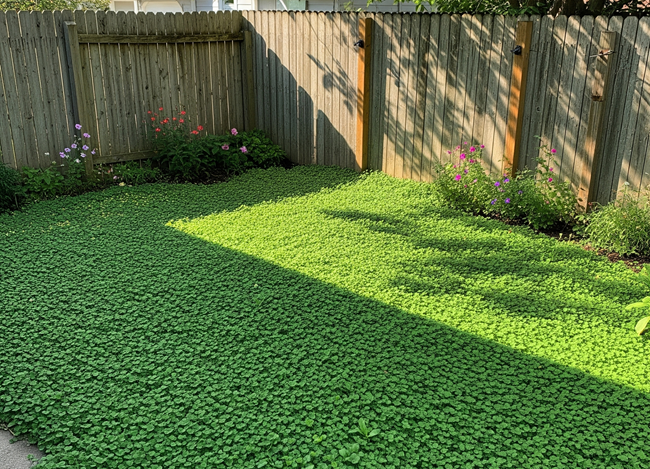
Flowering bee lawns include traditional lawn grasses combined with other hardy grasses, like fine fescues as well as warm season centipede grass. Kentucky bluegrass and Bermuda grass also combine well with bee-friendly plants but require more ongoing care than fescues and centipede grass. You’ll be creating a more diverse lawn that not only appeals to bees but also is more resilient to pests and environmental stressors than traditional lawn grasses. Consult your local university extension service for help in selecting the best lawn grasses and bee-friendly plants.
Like any new addition to the landscape or garden, it does require some effort. But once established, you’ll be spending less time with ongoing care like watering, mowing and fertilization.
Start by evaluating your current lawn situation. If grass is growing well in the area, so will a bee lawn. This is not an all or nothing endeavor and like any new undertaking, starting small is always a good strategy.
Consider converting just lesser-used spaces. This allows bees and butterflies to forage in peace. And even though native bees are docile and typically don’t sting, neither the kids nor bees want to share the same space.
Keep your neighbors in mind when selecting a space for your bee lawn. Those neighbors with pristine lawns may be less tolerant of your bee lawn. Selecting areas surrounded by walks and drives will also help keep aggressive plants in check.
Consider starting your bee lawn by overseeding the white microclover into your existing lawn. Clover is adaptable, tolerates foot traffic and drought, and blooms for a long period, providing bees with high-sugar-content nectar and protein-rich pollen. Microclover can also be combined with other bee-friendly plants. You can seed these at the same time or add them later as you expand your bee lawn.
Sow microclover seed in late winter, early spring, or late summer in the south and early spring or late summer in the north. Once your bee lawn is established, mow high, at least three inches, so the flowering plants can bloom and support the bees and other visiting pollinators. Leave the grass clippings on the lawn. This is a good practice for both traditional and bee lawns. Short clippings break down quickly, adding moisture and nutrients back to the soil. Once established, you’ll only need to water during extended dry periods, and seldom if any, fertilization. Skip the pesticides that can harm the pollinators you are trying to attract.
Increase your landscape’s pollinator appeal further by growing more bee- and pollinator-friendly plants in your gardens. Helping these important members of our community is good for the environment and all of us.
Melinda Myers has written more than 20 gardening books, including Small Space Gardening. She hosts the “How to Grow Anything” DVD series and the Melinda’s Garden Moment TV & radio segments. Her website is MelindaMyers.com.

Comment here